
Why High Website Traffic Doesn’t Always Convert to More Leads
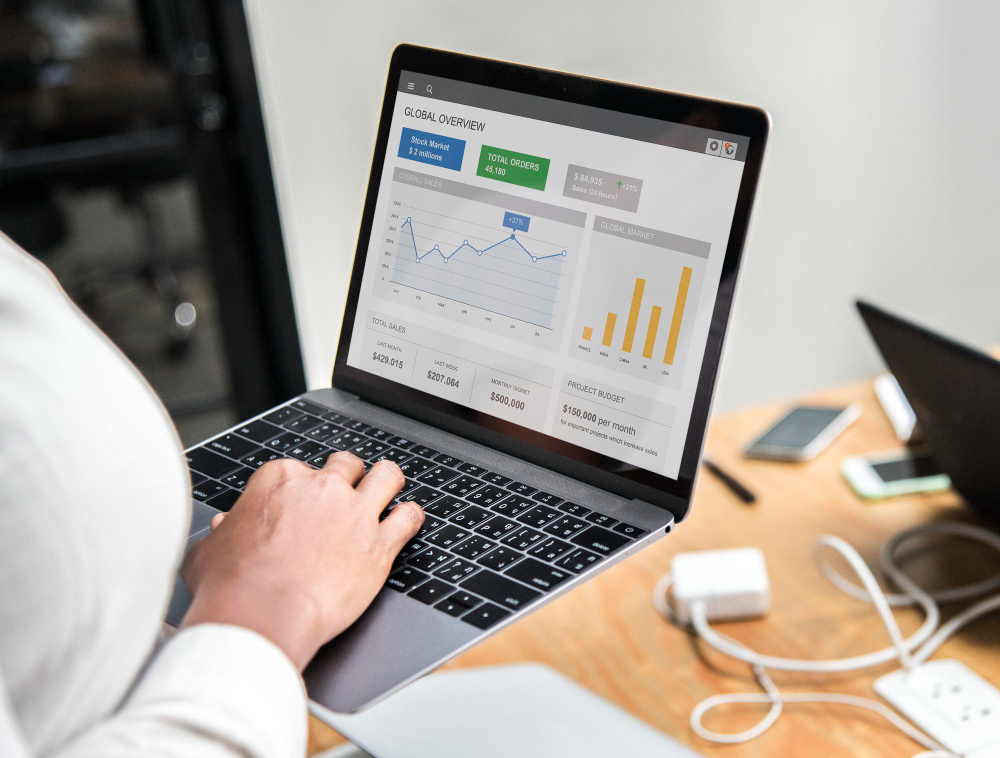
As a website owner, seeing your traffic numbers soar is undoubtedly exciting. The numbers keep climbing, the analytics dashboard turns green and you feel a surge of excitement as the visitors pour in. But then, you check your sales figures and the reality sets in: traffic’s up, but sales are flat. It’s frustrating to see a surge in visitors without a corresponding boost in revenue. If you’re facing this challenge, you’re not alone. While high website traffic is a great start, it’s not the end-all, be-all when it comes to increasing sales. In fact, there are several reasons why high traffic doesn’t always translate to more conversions. Let’s explore why this happens and how you can address the issues to convert those visitors into paying customers.
1. Quality of Traffic Matters More Than Quantity
While it’s thrilling to see a spike in your website visitors, it’s essential to understand that not all traffic is created equal. Your website may attract a large number of visitors, but they might not all be your ideal customers. This often happens when your SEO or advertising strategy casts too wide a net, bringing in people who aren’t necessarily interested in purchasing your product or service.
For instance, if you’re selling high-end kitchen appliances, but you’re ranking for broad search terms like “best cooking tips,” you may attract people who are simply browsing for information, not those looking to buy. This means your website could be getting plenty of visitors who won’t convert into paying customers.
How to Fix It:;
Refine your targeting. Focus on attracting high-intent visitors, those who are actively searching for the products or services you offer. By narrowing your keyword strategy and targeting specific phrases related to purchasing intent, you’ll be able to bring in traffic that is more likely to convert into sales.
2. A Poor User Experience Will Drive Visitors Away
Imagine visiting a brick-and-mortar store where you can’t find the products you’re looking for, the aisles are cluttered and the checkout process is confusing. You’d probably leave, right? The same principle applies to your website. If the user experience (UX) is poor, visitors will quickly lose interest and leave, no matter how good your product is.
Several factors contribute to poor UX, including:
- Slow loading times
- Complex, cluttered navigation
- Lack of mobile optimisation
- A confusing or lengthy checkout process
These elements can significantly increase bounce rates and reduce conversions. In fact, research shows that 40% of users will leave a website if it takes more than three seconds to load. If your website doesn’t provide a smooth and easy experience, visitors will simply look elsewhere.
How to Fix It:
Improving your website’s user experience is essential for boosting conversions. Focus on simplifying navigation, speeding up page load times and ensuring that your website is mobile-friendly. A clean, intuitive design and fast load times will encourage users to stay on your site longer, increasing the chances that they will make a purchase.
3. Unclear Value Proposition Can Drive Customers Away
When visitors land on your website, they should immediately understand what you offer, who it’s for and why they should choose your product or service. If your value proposition is unclear or buried in complicated language, visitors may leave without exploring your offerings further.
A value proposition is your promise to your customers, what benefits they’ll get from your product or service. If this isn’t communicated clearly, you’re likely to lose potential customers who are confused about your brand’s unique selling points.
How to Fix It:
Ensure that your value proposition is immediately visible and clear. It should address the needs of your target audience and explain why your product or service is the best solution. Use compelling visuals, concise messaging and persuasive copy to highlight the benefits of your offering. Visitors should be able to grasp what you offer within seconds of landing on your site.
4. Lack of Trust Can Stop Customers From Converting
Trust is a major factor in online purchasing decisions. If visitors don’t trust your website, they’re unlikely to share personal information or make a purchase. Even if your products look great, if the design and content of your site don’t inspire confidence, customers may hesitate to proceed with a transaction.
Trust is built through various means, such as displaying customer reviews, providing clear privacy policies and using secure payment gateways. If these elements are missing, potential customers may abandon their carts or leave the site entirely.
How to Fix It:
Focus on building trust with your visitors. Include trust signals like customer testimonials, security badges and trusted payment options. Make sure that your privacy policy and return policy are easy to find. Transparency and clear communication will make your visitors feel more comfortable and secure when making a purchase.
5. Weak Calls-to-Action (CTAs) Can Lead to Missed Opportunities
If your website’s calls-to-action (CTAs) are vague or unappealing, visitors may leave without taking any action. A CTA is an invitation for the user to take the next step, whether it’s making a purchase, signing up for a newsletter or requesting more information. If these prompts are unclear or too passive, users may simply move on without engaging.
How to Fix It:
Make your CTAs clear, action-oriented and compelling. Instead of using generic terms like “Submit” or “Click Here,” try using more specific language that encourages immediate action, such as “Shop Now,” “Get Started,” or “Claim Your Discount.” Ensure that CTAs are placed prominently and are easy to find throughout your site, especially on product pages and landing pages.
6. A Complex Checkout Process Will Cause Cart Abandonment
Even if visitors are ready to buy, a complicated or lengthy checkout process can make them reconsider. Asking for unnecessary information, presenting unexpected shipping costs or requiring account creation can lead to frustration and cart abandonment. If the process is cumbersome, customers will likely abandon their purchase at the last stage.
How to Fix It:
Simplify your checkout process. Offer a guest checkout option to speed things up and make sure all costs (including shipping) are visible early in the process. Keep the number of form fields to a minimum and eliminate unnecessary steps. The easier you make it for customers to complete their purchase, the more likely they are to follow through.
7. You’re Not Leveraging Data to Optimise Your Website
If you’re not using data to drive your decisions, you’re essentially guessing what works and what doesn’t. Without understanding user behaviour on your site, it’s difficult to pinpoint where things are going wrong. By using tools like Google Analytics and heatmaps, you can gain valuable insights into how visitors interact with your site.
How to Fix It:
Start using data to inform your decisions. Track key metrics such as bounce rates, exit rates and time on page. Tools like heatmaps can show you where visitors are clicking or scrolling, helping you understand what’s working and where improvements are needed. A data-driven approach allows you to make informed adjustments that can improve your site’s conversion rate.
Conclusion: Traffic Alone Isn’t Enough
While high traffic is an encouraging sign, it’s not the end of the story. The key to turning that traffic into sales lies in conversion rate optimisation (CRO). By improving your targeting, user experience, value proposition, trust signals, CTAs and checkout process, you can increase the likelihood that visitors will make a purchase. The goal is to attract the right visitors, engage them with a seamless and trustworthy experience and make it easy for them to complete their purchase. With a clear focus on CRO, you can convert your website’s visitors into loyal, paying customers.